Two quotations for "500 visiting cards" can differ by several times, and neither is necessarily wrong. They are quoting different products. Here is what is actually being priced.
1. Quantity
The most obvious factor and the one most people underestimate. Because a card is small, many fit on a single press sheet, which means the jump from 500 to 1,000 costs far less than doubling. If you will get through them, ask for both numbers before deciding.
2. Stock weight
GSM is the weight of the card, and it is the difference people feel immediately.
| 300 GSM | The practical minimum. Feels acceptable but noticeably light. |
|---|---|
| 350 GSM | The standard business choice. Substantial without being expensive. |
| 400 GSM | Noticeably firmer in the hand. Suits client-facing and senior cards. |
| 600 GSM and duplex | Premium territory. Weight alone communicates before the design does. |
3. Lamination
Matt and gloss lamination cost roughly the same and mainly change appearance. Soft-touch, sometimes called velvet or suede, costs more and changes how the card feels rather than how it looks — which is often the more memorable difference.
Unlaminated cards on textured or uncoated stock are a legitimate choice too, and they take pen ink, which laminated cards do not.
4. Special finishes
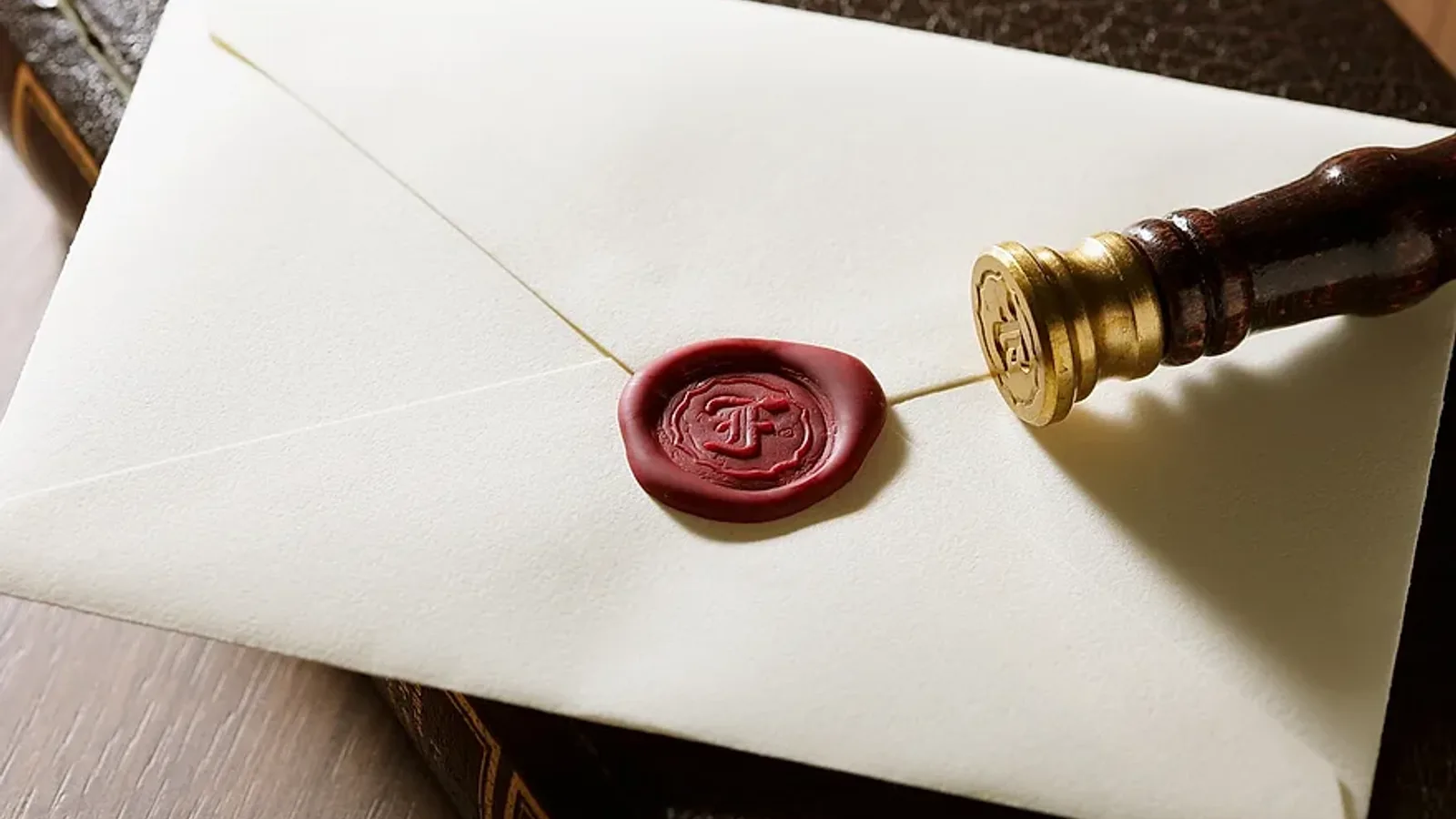
Spot UV, foil stamping, embossing and edge painting each add a separate production pass, and foil and embossing need a metal die. The die is a one-time cost that is retained, so the second order is meaningfully cheaper than the first.
If you expect to reorder the same card, mention it at the quotation stage. Knowing the die will be reused changes how the first order should be sized.
5. Number of designs
This is where most teams overpay. Ordering cards for eight people as eight separate jobs costs far more than ordering them as one job with eight names. The design is set up once and only the details change per card.
Where spending more actually pays
- Stock weight. It is the first thing a recipient notices, and the cheapest upgrade per unit of impression.
- Soft-touch lamination, if the card is client-facing. It changes the physical experience.
- Getting the artwork set up properly, so text is not trimmed into and the logo is not blurred.
Where it usually does not
- Foil on every element. Used sparingly it reads as considered; used everywhere it reads as loud.
- A very large quantity for a business whose address or number may change within the year.
- Unusual shapes that then do not fit a standard card holder.
The most useful thing you can do before asking for a quotation is decide the quantity and the stock weight. Those two answer most of the price question, and everything else is a refinement.